
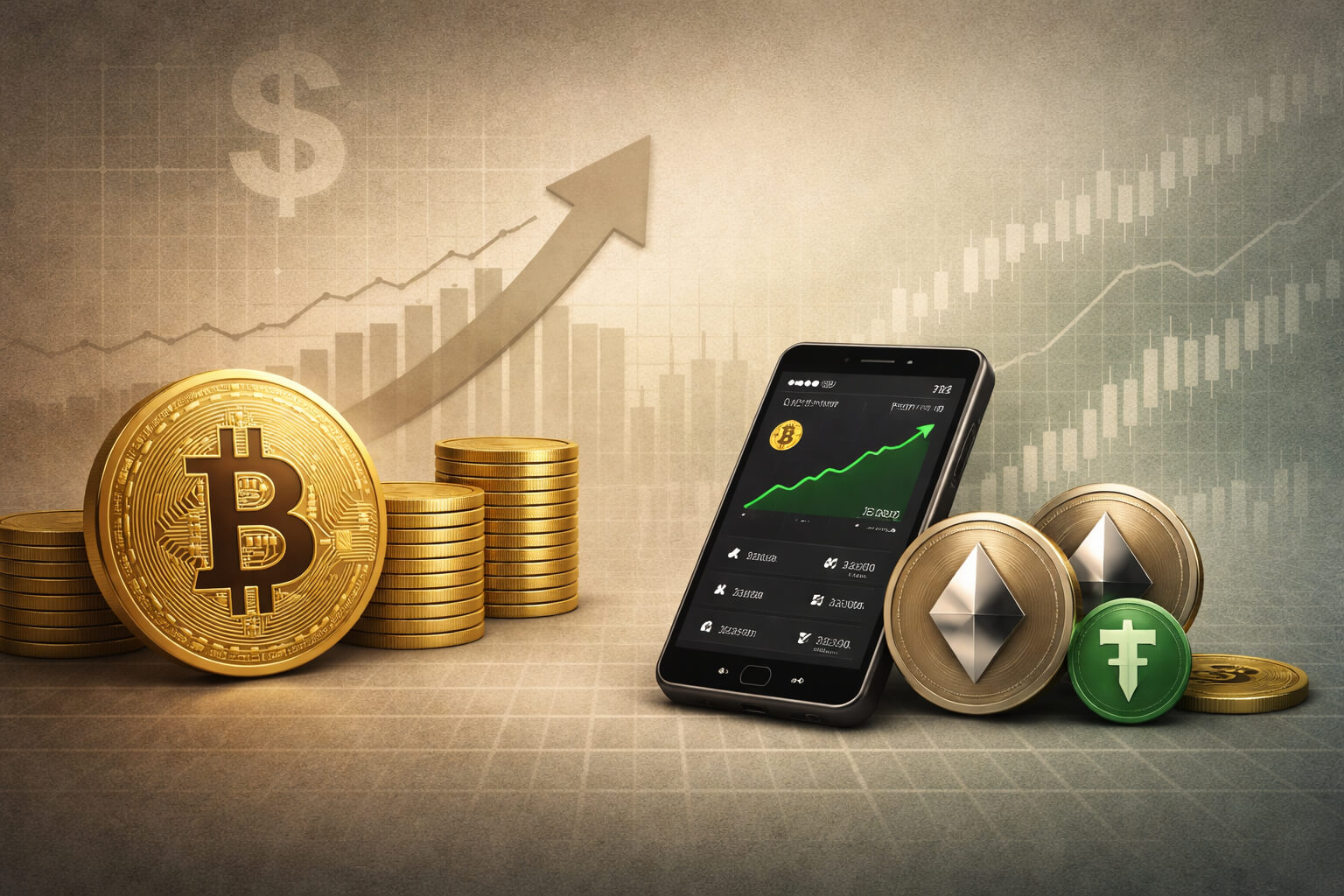
Over multi-decade time horizons, inflation quietly destroys purchasing power. Most investors feel it too late. This article breaks down what that means for your crypto […]

Is Bitcoin Too Late to Buy in 2026?
Let me be straight with you. I have been trading for years, and I have watched the same conversation repeat itself at every single price […]

The Psychology of Holding Crypto for Decades: Why Most Investors Fail
Most people who buy crypto say they’re in it for the long term. Almost none of them actually are. A ChainPlay survey found that 87.6% […]
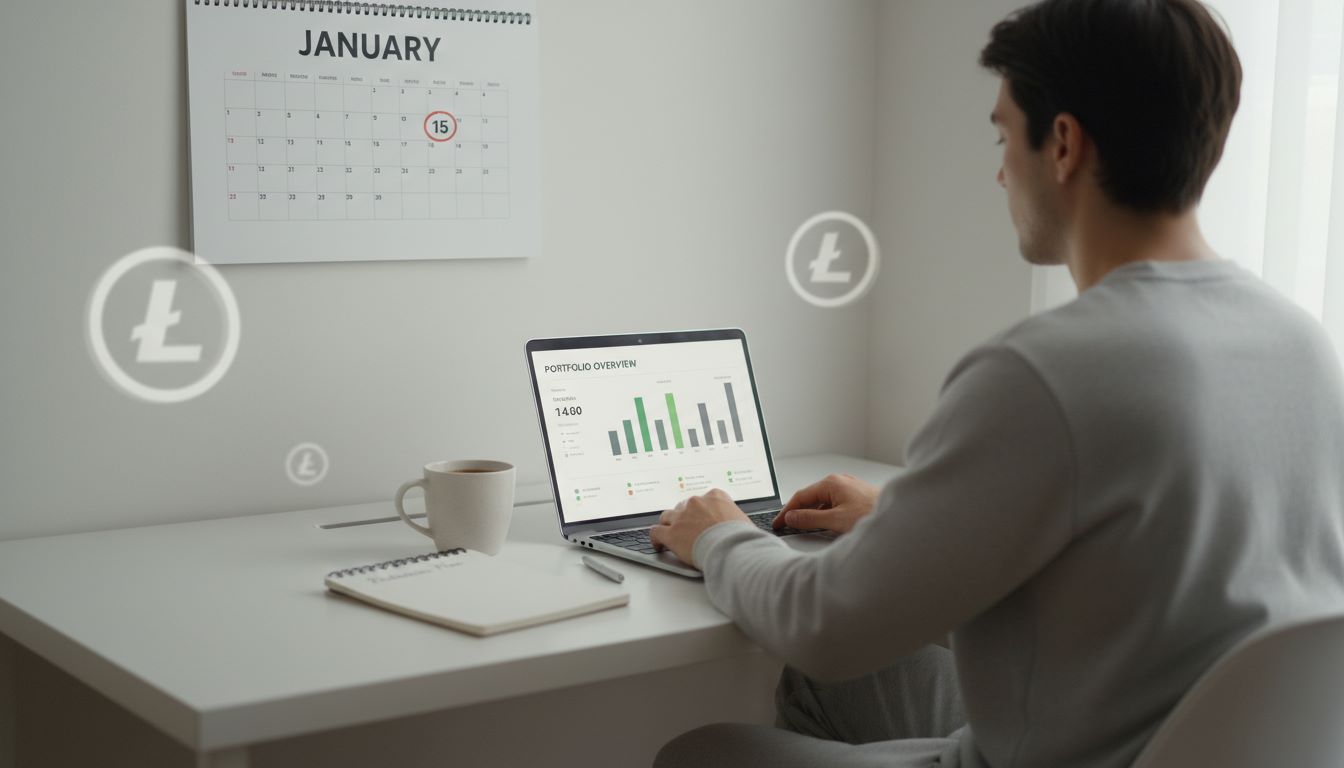
How to rebalance your crypto every year without overthinking it
Tired of constantly checking crypto prices and second-guessing your portfolio decisions? You’re not alone. The crypto market’s wild swings can turn even the most disciplined investors into emotional traders, checking charts daily and making hasty decisions that often backfire. This low-stress, annual routine will help you align your crypto portfolio with your risk tolerance without the mental exhaustion—whether you’re rebalancing, diversifying, or simply learning how to swap crypto with confidence.

What a 20-year DCA plan might actually look like
A 20-year dollar cost averaging strategy in cryptocurrency represents one of the most compelling approaches to long-term wealth building in an asset class defined by extreme volatility. Dollar cost averaging (DCA) involves making regular, fixed-dollar investments regardless of market conditions, effectively spreading your purchase timing across decades of market cycles. This systematic approach mitigates the psychological stress of trying to time volatile crypto markets while reducing the impact of short-term price swings on your overall accumulation strategy.

The role of stablecoins in a retirement-focused crypto portfolio
The retirement planning landscape has undergone a dramatic transformation with executive orders and regulatory guidance allowing cryptocurrency investments within 401(k) and IRA structures. As institutional products increasingly offer crypto exposure, stablecoins have emerged as a critical gateway tool, providing the stability and liquidity that traditional retirement strategies demand while maintaining digital asset utility.
Should long-term investors avoid altcoins altogether?
Long-term crypto investors face a fundamental dilemma: should they stick to the relative safety of Bitcoin and Ethereum, or venture into the potentially lucrative but risky world of altcoins? This question becomes increasingly complex when considering investment horizons spanning 5-10+ years, where the stakes of portfolio decisions compound dramatically over time.

Bitcoin vs Ethereum as long-term savings: which behaves more like a blue-chip?
For crypto-curious investors seeking alternatives to traditional blue-chip stocks and bonds, Bitcoin and Ethereum represent a compelling opportunity to treat digital assets with the same disciplined, long-term mindset typically reserved for established equities. While both cryptocurrencies carry significantly more risk than conventional savings vehicles, their growing institutional adoption, deep liquidity, and predictable economic models position them as the closest equivalents to “blue-chip behavior” within the crypto sector.

How to build a crypto retirement strategy around low volatility assets
The world of cryptocurrency investing often conjures images of moonshot trades, speculative altcoins, and volatile price swings that can make or break portfolios overnight. However, building a sustainable crypto retirement strategy requires abandoning this high-risk mentality in favor of capital preservation, stability, and risk-adjusted returns. While traditional retirement planning focuses on bonds, dividend stocks, and predictable income streams, a growing number of financial advisors recognize that low volatility crypto assets can play a measured role in long-term wealth building.